Twilio Signal San Francisco – My Twilio Champion Experience
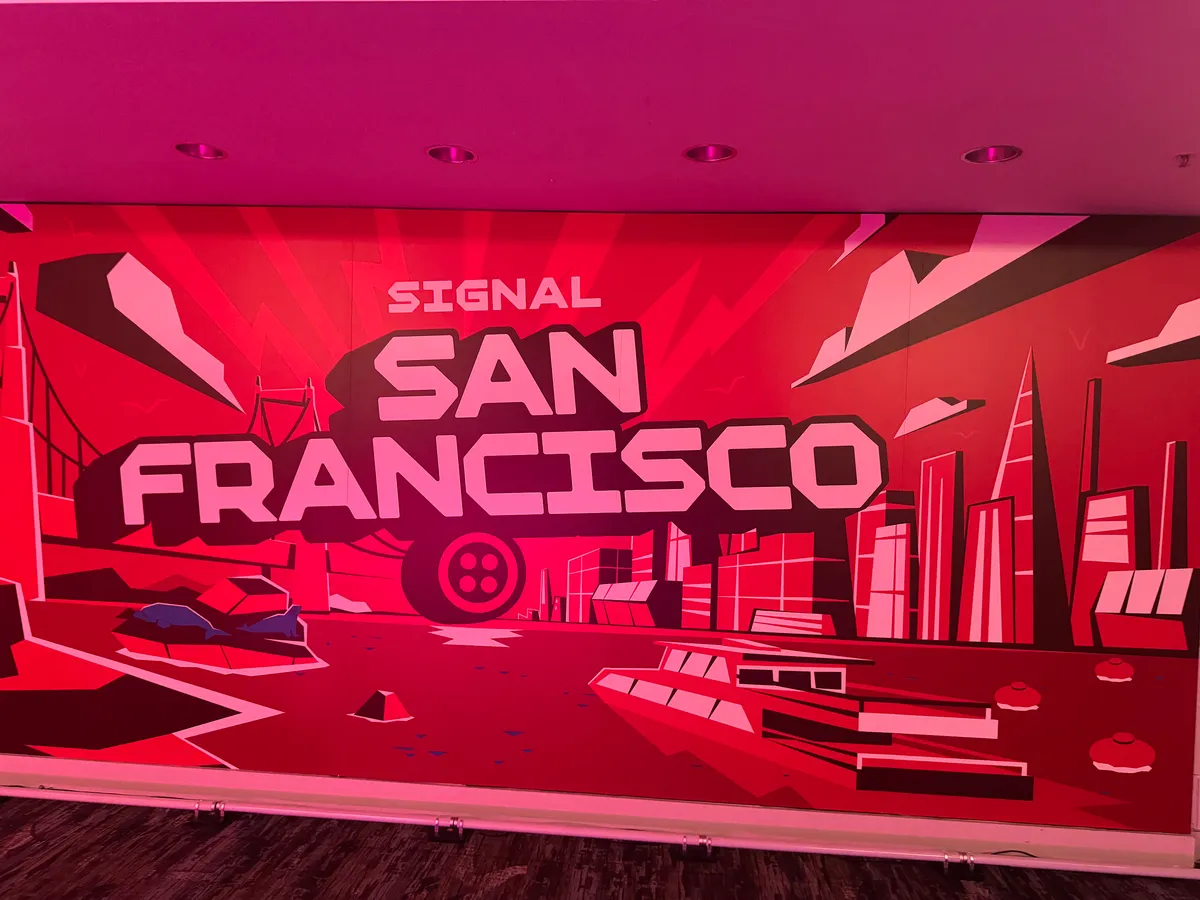
Twilio Signal San Francisco 2026
I have attended several Twilio Signal conferences over the years, and they have always been a source of inspiration. I rarely leave without a fresh challenge, a new idea, or the urge to build something I had not thought of before. So when the Twilio Champions Team extended an invitation to attend Signal San Francisco, I did not hesitate for a moment.
A little background for those who may not be familiar with the programme: Twilio Champions are developers, architects, and technical advocates from around the world who are recognised by Twilio for their expertise, their contribution to the developer community, and their passion for building with the Twilio platform. While there is an application process, selection is far from automatic. Champions are chosen based on a genuine track record of engagement, advocacy, and building with the Twilio platform, and the recognition that comes with it reflects consistent contribution to the wider developer community. Being part of that community has been one of the more rewarding aspects of my work as a software engineer.
This would be my first Signal event outside the UK and my first visit to the United States. Being invited to the flagship event in San Francisco therefore felt like a genuine privilege, and I am glad to say it exceeded every expectation.
The scale was immediately apparent. The San Francisco edition is a significantly bigger stage, and the quality of the sessions reflected that. The conference opened with a keynote led by CEO Khozema Shipchandler, who used the occasion to announce what he had already previewed on Twilio’s earnings call as the most consequential innovations in the company’s history. That is a bold claim, but the announcements that followed gave it real weight.
The Agentic Platform
The headline platform announcements centred on four capabilities now generally available: Conversation Memory, Conversation Orchestrator, Conversation Intelligence, and Agent Connect. Together, these address a problem that will feel familiar to anyone who has ever had to repeat themselves when switching from a chat with a support bot to a phone call with a human agent.
Conversation Memory gives the platform a persistent record of customer interactions across every channel. Conversation Orchestrator keeps a conversation connected and coordinated whether the customer moves from WhatsApp to a voice call mid-query. Conversation Intelligence provides real-time analysis of customer intent and sentiment as conversations happen. Agent Connect is an SDK that plugs AI agents directly into Twilio’s voice and messaging infrastructure, handling the complex mechanics of real-time streaming, session management, and identity.
The Day 2 Builder Keynote brought these to life with a demonstration showing a bank customer starting a conversation over WhatsApp chat, then escalating seamlessly to a live video call, with full context preserved throughout. Watching it in action made the value obvious even to someone who has never written a line of code. It was a compelling picture of where customer communication is heading.
New Channels and Products
Several new channel announcements stood out. Twilio Email, now generally available, brings email directly into the Twilio platform built on SendGrid technology. This means developers can manage email alongside SMS, WhatsApp and voice without switching tools or providers. I found this particularly satisfying, as I had previously built a project that required a separate SendGrid trial just for email functionality. Once that trial expired, the demo broke. Having email natively in Twilio would have saved that frustration entirely.
Alongside Email, Twilio also announced new Chat, Video, and Push channel capabilities, which were in private beta at the time of the conference. The main stage demo showed this beautifully in the context of a bank customer ordering new checks after a house move, starting on chat and moving fluidly to a video call. Apple Messages for Business was also announced in private beta, allowing customers to reach businesses through the native Messages app already on their iPhone, iPad, or Mac, as naturally as texting a friend.
Also worth noting was a new integration that allows developers and AI agents to provision Twilio services directly from within a third-party CLI, with centralised billing and streamlined credential management. Combine that with the Claude skills integration in the new console AI assistant, and a significant amount of the setup complexity that used to come with building across multiple platforms is simply gone.
The Passkeys Workshop: More Than Just a Login Button
One of the sessions I was most looking forward to was the workshop titled “Level Up Your Login: Building Frictionless Identity with Passkeys, Verify and Lookup.” I have long been curious about how passkeys work under the surface, so this was an easy choice.
What made it particularly valuable was the framing. The workshop walked through what Twilio calls the Frictionless Architecture, a layered approach to identity that runs from first contact with a new user right through to account recovery and transactions. Rather than asking users to jump through hoops, the system uses Twilio Lookup to run silent background checks when a phone number is entered, then applies Twilio Verify for phone possession confirmation and trusted device registration, all without unnecessary friction for the user.
The session also addressed the genuine risks in common two-factor authentication methods. SMS-based verification, for example, is widely used but exposed to a form of fraud known as SMS pumping, where bad actors artificially generate verification messages to exploit the cost of sending them.
Twilio Verify Fraud Guard, announced as a feature in private beta, directly tackles this, offering guaranteed protection against SMS pumping fraud. Seeing the scale of the problem visualised on screen, including affected volumes and estimated costs to businesses, made the case for better authentication architecture impossible to ignore. It was a well-constructed session that balanced technical depth with practical urgency.
The New Console: Long Overdue
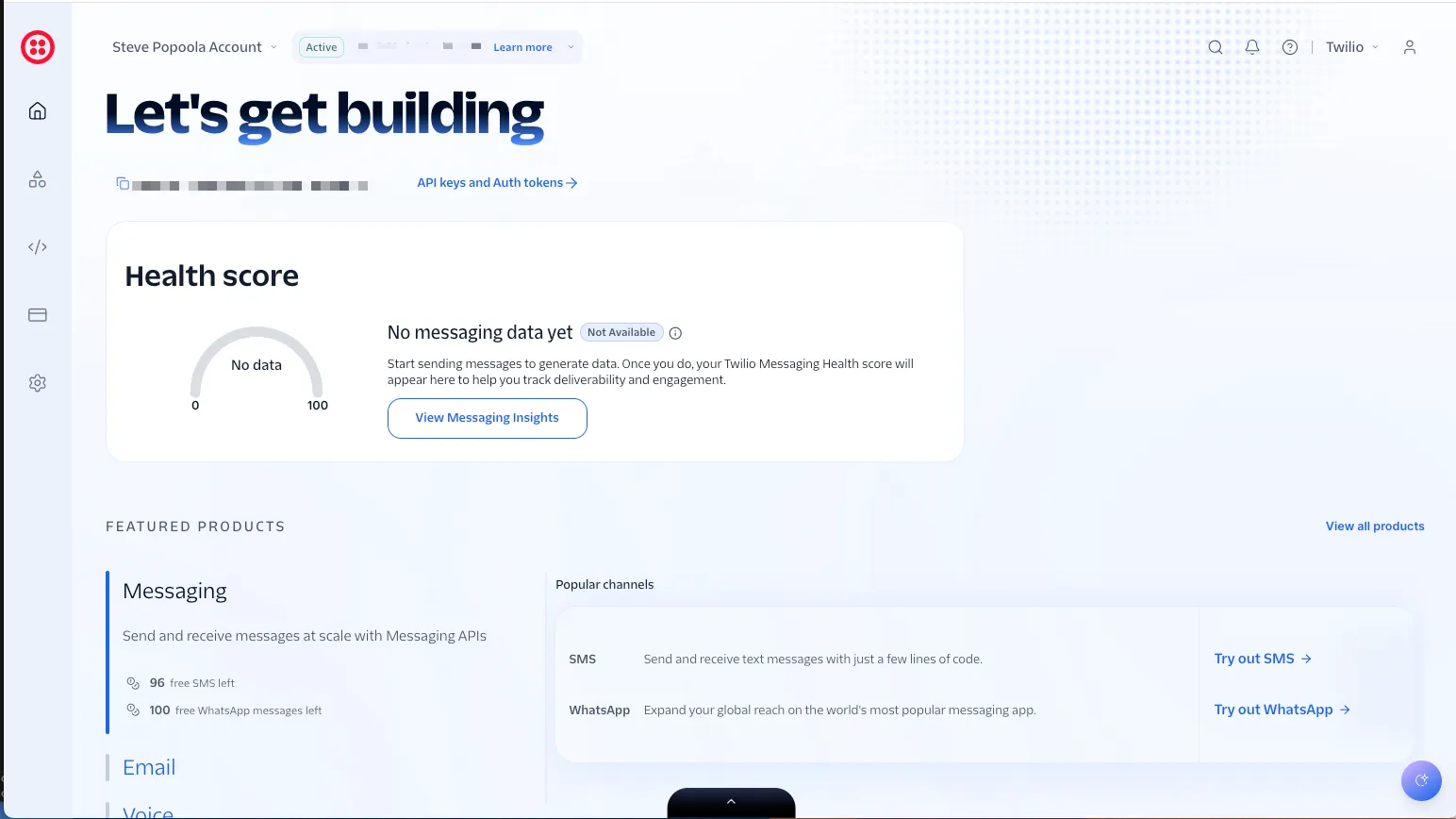 The redesigned Twilio Console, now called 1Console, deserves a mention of its own. I had previously provided feedback to the Twilio team on the old console experience, so seeing the redesign arrive felt satisfying. Your Account SID is visible the moment you log in. The navigation is cleaner, with all relevant features accessible from high-level menus. A new Health Score section lets you track message deliverability and engagement at a glance, replacing the old pattern of filtering through logs. A collapsible panel at the bottom gives quick access to API keys, a debugger, and any alarms triggered in the last 24 hours. It is the kind of improvement that shows customer feedback was genuinely taken on board.
Community, Competitions, and a Bit of Fun
Signal San Francisco was not all sessions and product announcements. The community side of the event was equally memorable. There was a customisable swag station where attendees could take a T-shirt to a printing stand and choose their own text and colour, which was a nice personal touch.
The Operator Challenge ran throughout the conference, an ongoing competition where attendees could earn points through different activities. At the heart of the venue, where everyone gathered for meals and conversations, stood a giant two-sided leaderboard tracking the standings in real time. It created a genuine buzz and gave people a reason to engage beyond their sessions. The photo below captures a group of Twilio Champions and Twilio Team members together in front of that leaderboard. It is a small snapshot of the kind of community that makes these events worth attending, and yes, I am in there.
Getting to meet fellow Champions from across the US, many of them in person for the first time, alongside Twilio Team members I had either met at previous events or was encountering for the first time, was something I valued a great deal.
Day 3 took a more celebratory turn. There was a magician whose act I found both impressive and genuinely unsettling in the best possible way. The finale was a DJ who was live coding the music she performed using Strudel, a browser-based live coding environment, with her code projected on the large screen behind her as the set unfolded. If you are not familiar with live coding, it is exactly what it sounds like: writing and modifying code in real time to generate and shape music as it plays. Every change she made to the code altered the sound immediately, and the audience could follow along on screen. I had understood the concept before but seeing it performed in that atmosphere, with the lights, the music, and the code all shifting together, was something I did not expect to find as captivating as I did.
It was a fitting close to a conference that had consistently found ways to blur the line between technology and creativity.
I was also invited to take part in a recorded interview during the event, which I thoroughly enjoyed and found relaxed and engaging from start to finish.
Final Thoughts
Signal San Francisco was a reminder of why I keep coming back to these events. The technology Twilio is building is genuinely exciting, the community around it is warm and generous, and the sense that you are part of something shaping how the world communicates is hard to replicate anywhere else. Whether you are a developer looking for your next build or simply curious about how technology is changing the way businesses interact with people, there is something here for you.
If you have never attended a Twilio Signal event, I would encourage you to visit signal.twilio.com and look out for the next opportunity on the world tour. and look out for the next opportunity on the world tour. You will not regret it.